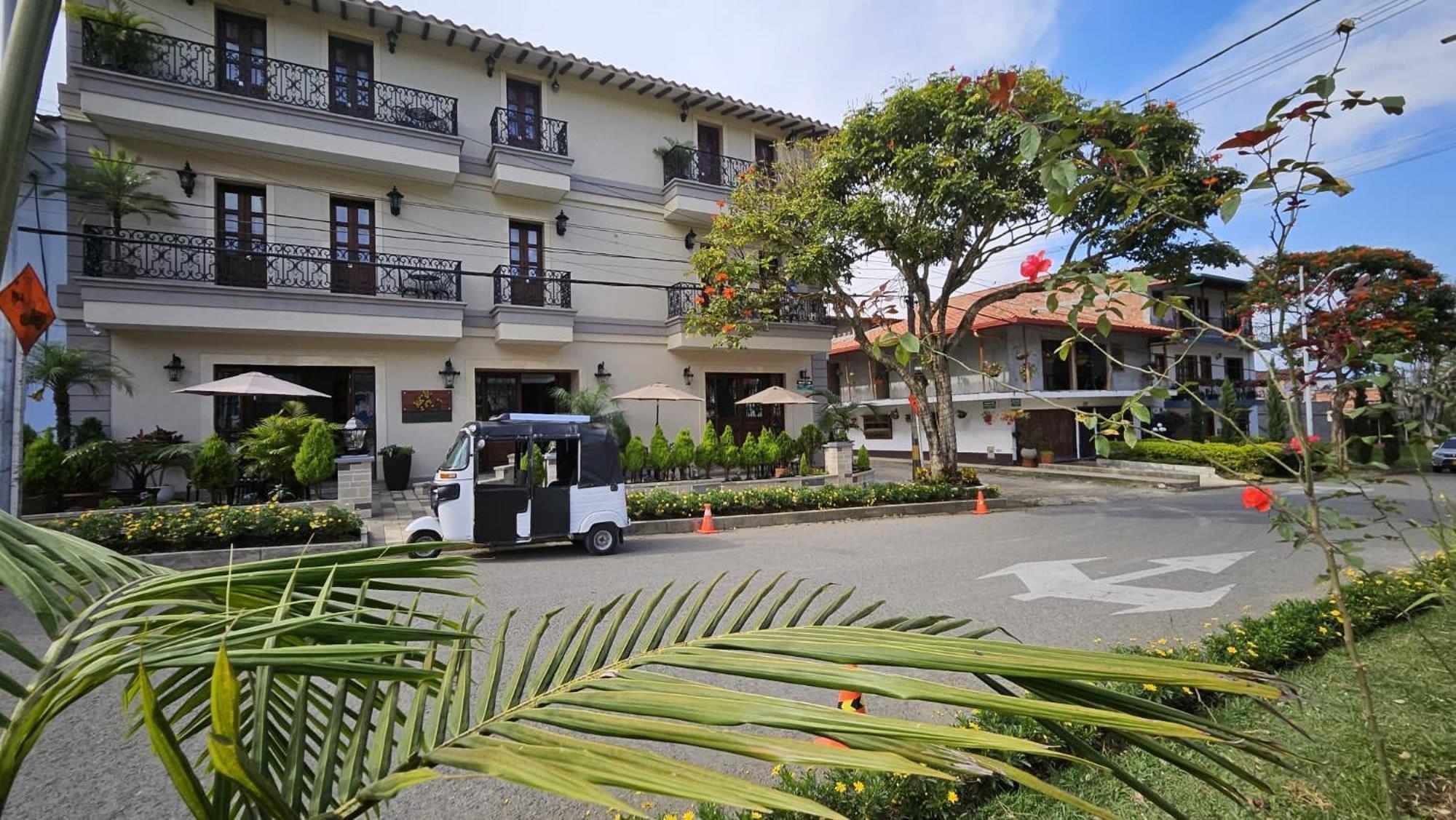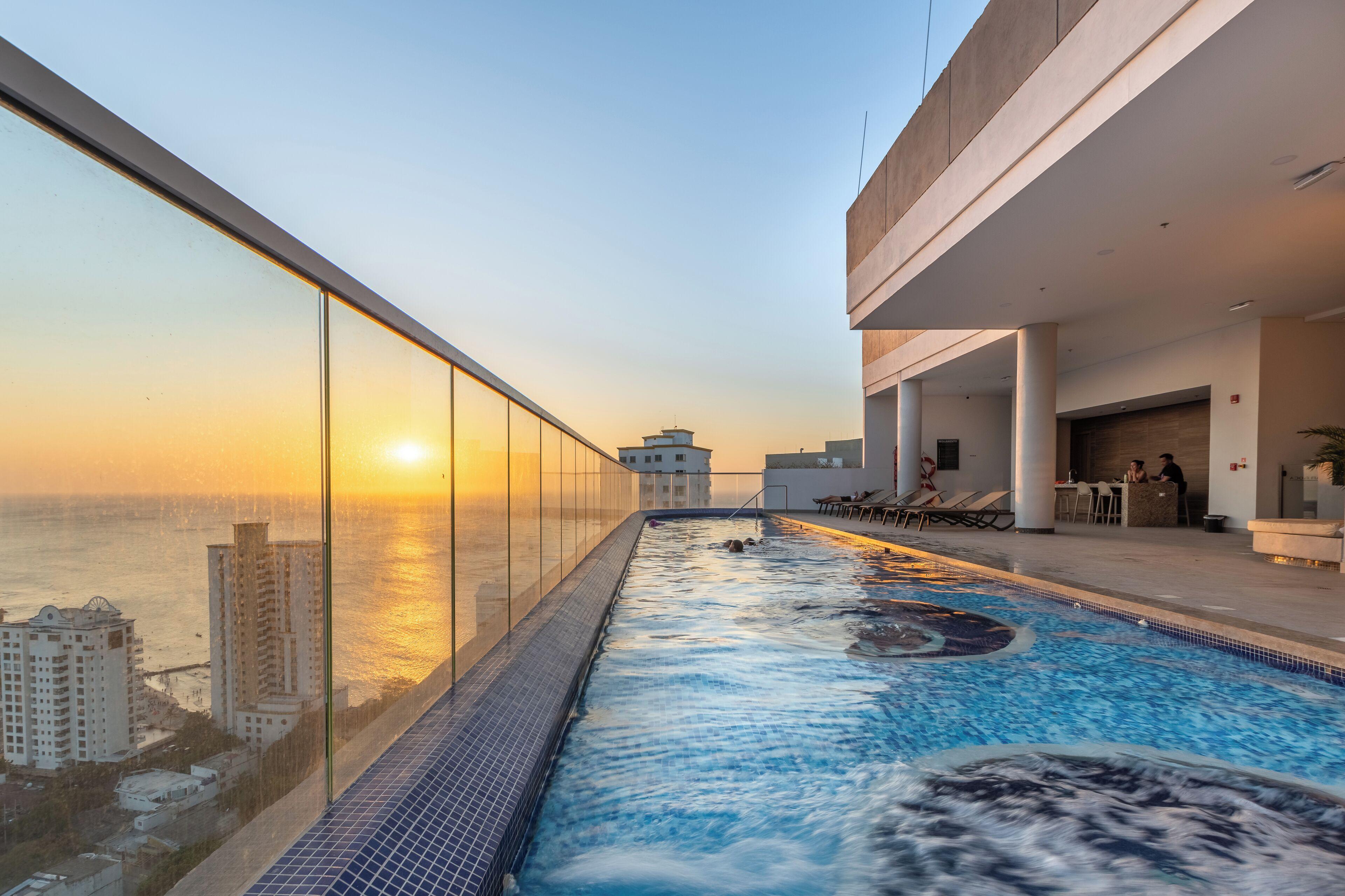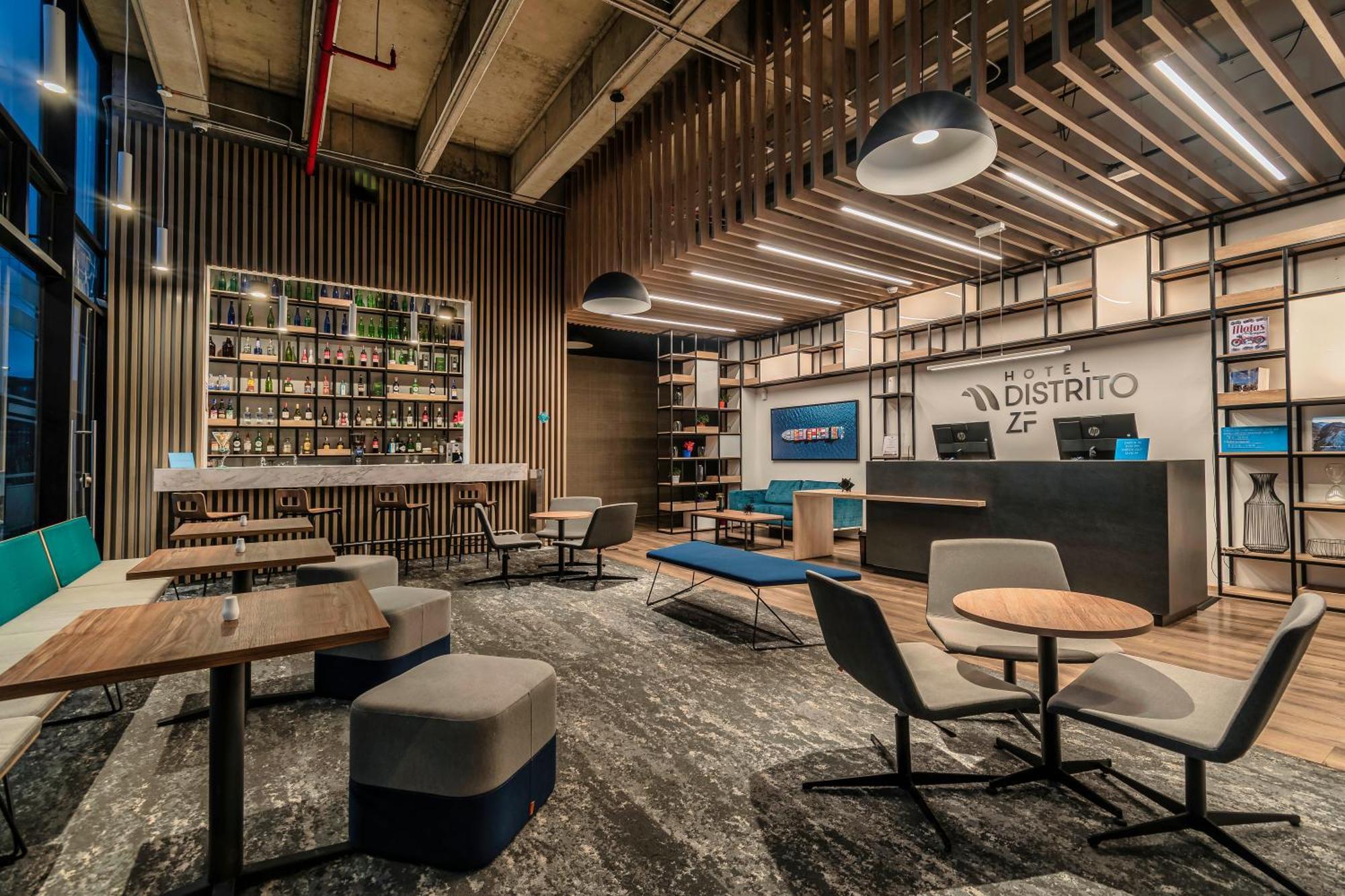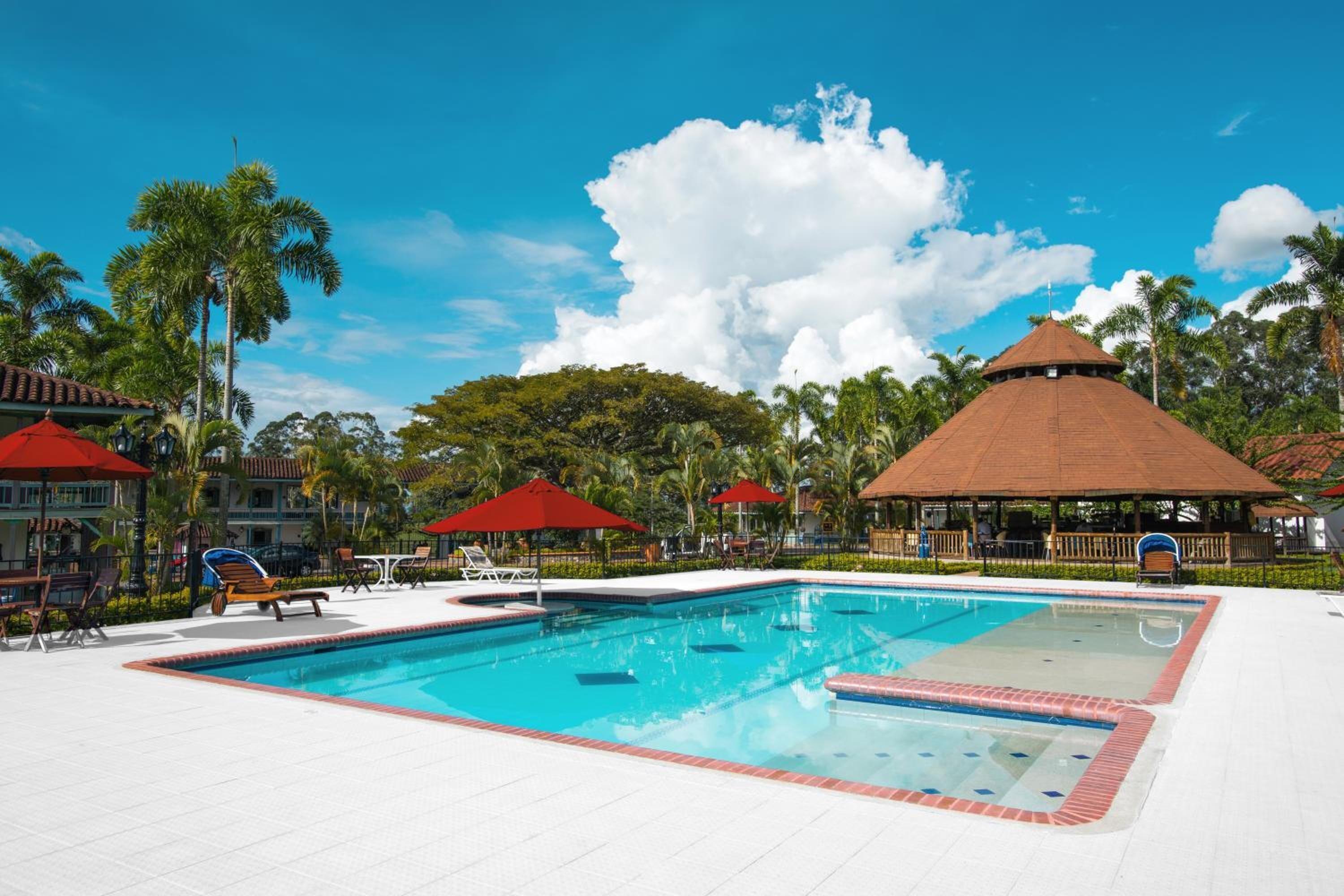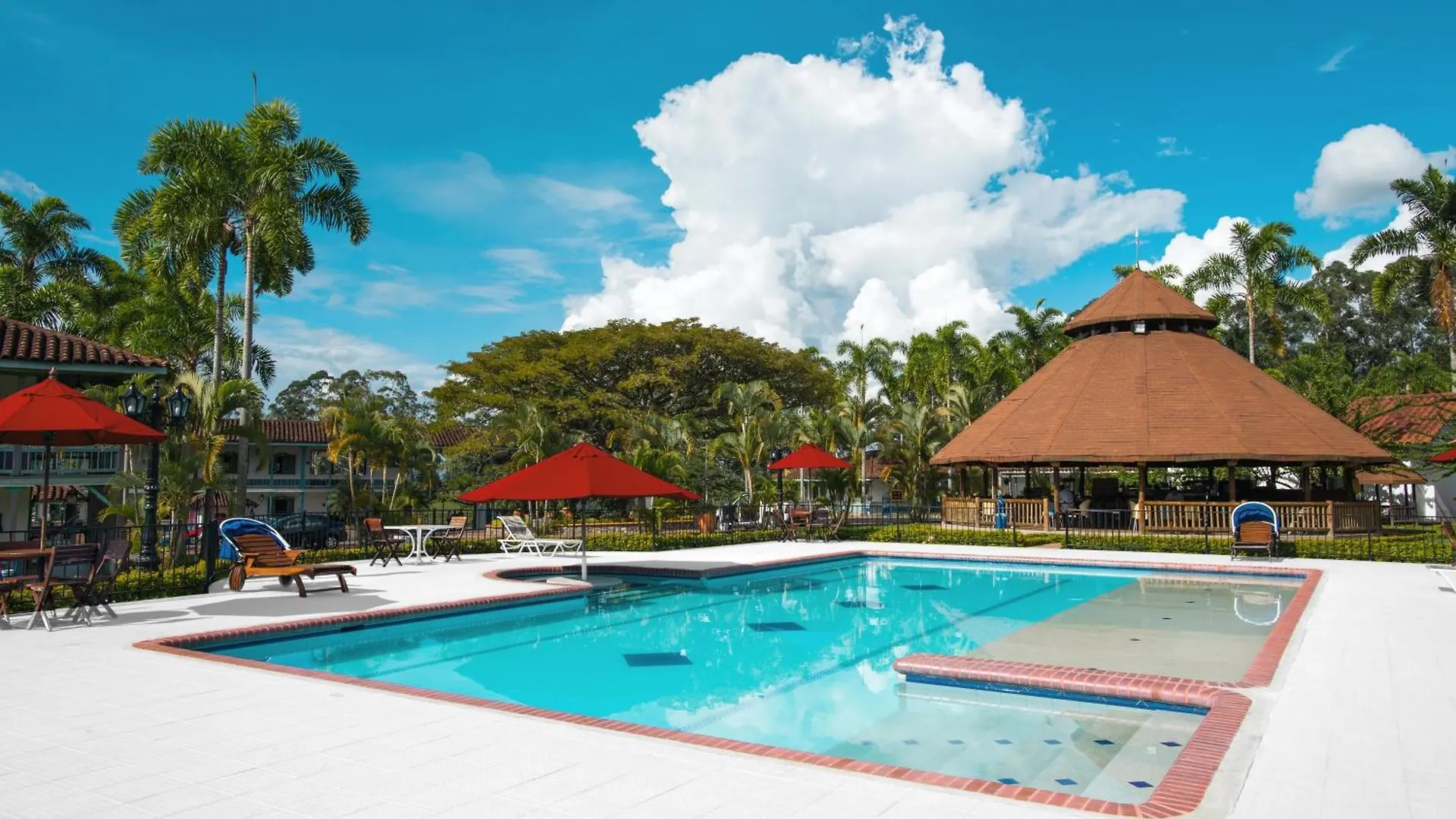
Colombia's hotel scene has matured significantly, with 4-star properties now covering everything from coffee-region haciendas in Quindío to beachfront stays on the Caribbean coast near Palomino and Barú. This guide cuts through the noise and helps you decide which property fits your actual itinerary - whether you're landing in Medellín, heading for the coast, or exploring the lesser-known interior.
What It's Like Staying In Colombia
Colombia spans six distinct natural regions - the Andean highlands, the Caribbean coast, the Pacific coast, the Amazon basin, the Llanos plains, and the Coffee Axis - making the country one of the most geographically varied destinations in South America. The Eje Cafetero (Coffee Region) draws visitors with its colonial haciendas and dense bamboo forests, while cities like Medellín and Cartagena operate as full urban travel destinations with well-developed infrastructure. Crowd levels vary sharply: Cartagena's old city and the Barú peninsula get noticeably busier around Semana Santa and December holidays, while inland regions like Huila (home of Neiva) see far less international foot traffic year-round.
Travelers who benefit most from staying in Colombia are those combining cultural immersion, outdoor adventure, and coastal access within a single trip. Around 80% of international arrivals enter through Bogotá or Medellín, but the country's domestic flight network makes regional exploration practical without long overland journeys. Those who prefer fully predictable infrastructure or very low safety variance may find destinations like Costa Rica or Chile more straightforward as a first Latin American trip.
Pros:
- Extreme geographic diversity lets you move from cloud forests to Caribbean beaches within hours by domestic flight
- The Coffee Region and Medellín offer a high density of boutique and hacienda-style 4-star properties rarely found elsewhere in South America
- Colombia's internal tourism has grown strongly, meaning hotel standards and English-language service have improved significantly in key destinations
Cons:
- Safety conditions vary sharply by neighborhood within cities - even in Medellín, some zones require more vigilance after dark
- Transport between coastal areas like Palomino and international airports involves long road transfers, often exceeding 70 km
- High domestic travel demand during Colombian national holidays drives hotel prices up and reduces availability with little warning
Why Choose 4-Star Hotels In Colombia
In Colombia, the 4-star category delivers a noticeably different value proposition compared to other Latin American markets. Properties in this tier typically offer private bathrooms, air conditioning, on-site dining, and structured amenities like fitness centres or pools - features that in Colombia's budget segment are inconsistent at best. Pricing for 4-star hotels in Colombia runs significantly lower than equivalent-tier properties in Mexico City or Buenos Aires, making the category accessible even for mid-budget travelers. The real differentiator, however, is architectural: Colombian 4-star hotels frequently occupy converted coffee haciendas, colonial townhouses, or beachfront compounds that simply don't exist at the 3-star tier.
The trade-off in this category is room size. All-inclusive resorts in the Coffee Region tend to allocate space generously, while urban boutique 4-star properties in Medellín or Neiva may have more compact rooms in exchange for prime neighborhood positioning. Noise levels in city-center properties can also be a factor - Colombia's urban culture is lively, and light sleepers should prioritize upper-floor rooms or properties set back from main pedestrian streets. Around 4 properties in this guide include airport shuttle services, which matters given Colombia's dispersed geography.
Pros:
- All-inclusive options in the 4-star tier (particularly in the Coffee Region) represent outstanding value, bundling meals, drinks, and activities into a single rate
- Boutique 4-star hotels in Medellín's El Poblado neighborhood place guests within walking distance of the city's best dining and nightlife without requiring taxis
- Beachfront 4-star properties in Barú and Palomino offer private beach access that would cost significantly more in the Caribbean islands
Cons:
- Some 4-star properties outside major cities have limited English-speaking staff, which can complicate specific requests
- All-inclusive pricing can create a disconnect from local culture and cuisine if guests don't venture beyond the resort
- Room amenities in converted hacienda-style properties sometimes sacrifice modern conveniences (like in-room kitchen facilities) for aesthetic character
Practical Booking & Area Strategy
Medellín functions as the strongest all-round base for first-time visitors: its El Poblado and Laureles districts have dense hotel supply, strong restaurant scenes, and a metro system that connects directly to the city's main attractions. For coastal travelers, the choice between Barú and Palomino is meaningful - Barú sits around 50 km from Cartagena and pairs naturally with a visit to the walled city, while Palomino is a quieter, surf-focused strip on the Caribbean coast closer to the Sierra Nevada mountains. The Coffee Region base of Quimbaya (Quindío) is best suited to travelers who want to spend multiple nights exploring Valle de Cocora, Los Nevados, and the Wax Palm forests - it's not a logical stop for one-night transits. Neiva, the capital of Huila, serves as a strategic entry point for visitors heading to the San Agustín archaeological zone or the Tatacoa Desert, and sees far less tourist congestion than the country's headline destinations. Book coastal properties at least 6 weeks ahead if traveling in December or during Semana Santa - inventory in Barú and Palomino at the 4-star level is limited and fills fast during peak Colombian holiday periods.
Hotels In The Coffee Region & Andean Interior
These properties anchor stays in Colombia's inland destinations - from the iconic coffee-growing valleys of Quindío to the undervisited Huila department. Each offers a distinctly different entry point into the country's interior landscape.
-
1. Decameron Las Heliconias
Show on map


 Check-infrom 15:00 until 23:30Check-outuntil 12:00
Just a few rooms left at the best rate!
fromCOP 376543
-
2. Massay Hotel
Show on map


 Check-infrom 15:00 until 23:59Check-outuntil 13:00
Just a few rooms left at the best rate!
fromCOP 212963
Hotels On Colombia's Caribbean Coast
Colombia's Caribbean coastline divides into two distinct hotel zones - the Barú peninsula near Cartagena, and the quieter stretch around Palomino further east. Medellín's El Poblado district rounds out this group as the country's top urban stay.
-
1. Provenza Medellin Hotel Boutique
Show on map


 Check-infrom 15:00 until 23:30Check-outfrom 06:00 until 12:00
Hurry – almost gone at this price!
fromCOP 216049
-
2. Hotel Las Islas
Show on map


 Check-infrom 15:00 until 23:00Check-outfrom 06:00 until 12:00
Hurry – almost gone at this price!
fromCOP 990741
-
5. Makao Beach Hotel
Show on map


 Check-infrom 14:00 until 23:59Check-outfrom 07:00 until 11:00
Rooms filling fast – secure the best rate!
fromCOP 243827
Smart Travel & Timing Advice For Colombia
Colombia doesn't have a single peak season - it varies sharply by region. The Caribbean coast (Barú, Palomino, Cartagena) is most visited between December and March, when rainfall is lowest and sea conditions are calmest; prices at coastal 4-star properties during this window can spike significantly, and rooms at smaller properties like Makao Beach Hotel sell out weeks in advance. The Coffee Region is accessible year-round, but April-May and October-November bring heavier rainfall that can affect outdoor activities and road access to attractions like Valle de Cocora. Medellín's climate is consistent throughout the year - its nickname "City of Eternal Spring" reflects a real average temperature of around 22°C - making it the most timing-flexible destination in the country for urban stays.
For trip length, a minimum of 10 nights is recommended to meaningfully cover two distinct regions without rushing. Combining Medellín with either the Coffee Region or the Caribbean coast is the most common structure among international visitors. Book 4-star coastal properties at least 6 weeks ahead for December and Semana Santa travel; for inland destinations like Neiva and Quimbaya, last-minute availability is more reliably findable outside of Colombian national holiday weekends.