Colombia's geography is one of the most varied in South America - from Caribbean coastlines in Santa Marta to Andean coffee towns like Jardin and Jericó, from the colonial highlands of Boyacá to the llanos of Villavicencio. Choosing a hotel with a strong location rating isn't just about convenience; in Colombia, where neighborhoods and microzones differ sharply in walkability, safety, and access to landmarks, where your hotel sits can define your entire trip. This guide breaks down 6 hotels that guests consistently rate highly for their location across distinct Colombian regions.
What It's Like Staying in Colombia
Colombia rewards travelers who research before they arrive. The country spans five distinct natural regions - Caribbean coast, Andean highlands, Amazon basin, Pacific coast, and Los Llanos - and each demands a different logistical approach. Domestic flights are often the most efficient way to move between regions, as overland distances between cities like Medellín and Santa Marta can exceed 10 hours by bus. Urban centers like Bogotá and Medellín have dense cultural infrastructure, while smaller towns like Jardin or El Cocuy attract travelers specifically for their natural or historical character. Accommodation quality in Colombia has improved significantly over the past decade, with boutique and mid-range properties now offering competitive standards at prices well below comparable options in Europe or North America. Travelers willing to stay in secondary cities often access far more authentic experiences with less tourist saturation than in the main hubs.
Pros:
- Exceptional geographic diversity within a single country - coast, mountains, jungle, and coffee region all accessible within short flight distances
- Hotel value is strong across all categories; around 60% less expensive than equivalent standards in Western Europe
- Many of Colombia's most rewarding destinations - Jericó, El Cocuy, Villa de Leyva - are smaller towns where location-rated hotels place guests within walking distance of the key sights
Cons:
- Security varies sharply by neighborhood within the same city; a hotel's exact location matters more here than in many other South American countries
- Infrastructure between regions is uneven - some destinations have limited airport connections and require multi-leg journeys
- Peak season in coastal areas like Santa Marta coincides with Colombian school holidays (December-January, July), pushing occupancy to near-maximum and reducing last-minute availability
Why Choose a Well-Located Hotel in Colombia
In Colombia, location isn't just a comfort metric - it's a safety and logistics decision. Hotels rated highly for location by guests tend to sit within established, well-trafficked zones near key transport links, markets, or landmark attractions, which in a country with complex urban geography is a meaningful advantage. A centrally located hotel in a Colombian town can eliminate the need for taxis at night entirely, which both reduces cost and simplifies movement after dark. Unlike in some destinations where location is about prestige, in Colombia it's primarily about access: access to the town square, the hiking trailhead, the beach, or the bus terminal. Mid-range hotels in prime locations in smaller Colombian towns typically start at around 150,000 COP per night, while equivalent positioning in a city like Bogotá can cost significantly more. Boutique properties in towns like Jardin or Jericó frequently outperform larger city hotels on location ratings precisely because the towns themselves are compact and walkable.
Pros:
- High-location-rated hotels in Colombia's smaller towns are almost always within a few blocks of the main plaza, reducing transport dependency significantly
- Coastal properties rated well for location provide direct or near-direct beach access, cutting out costly private transfers
- Well-positioned hotels in Boyacá towns like Tunja or El Cocuy serve as practical bases for national park day trips without requiring an overnight vehicle hire
Cons:
- Central locations in Colombia's larger cities can mean exposure to street noise, especially in commercial zones that stay active past midnight
- Some beach-adjacent properties sacrifice room size for proximity, resulting in smaller units than inland alternatives at similar price points
- Hotels near popular natural attractions in Colombia may lack the dining variety found closer to urban centers, requiring planning for meals
Practical Booking and Area Strategy for Colombia
Colombia's regions require different strategic approaches depending on your travel intent. The Caribbean coast - particularly the Santa Marta and El Rodadero corridor - is Colombia's most visited beach zone and benefits from proximity to both Tayrona National Park and the colonial city of Cartagena, making it a logical anchor for first-time visitors to the coast. Boyacá's colonial circuit - Tunja, Villa de Leyva, and El Cocuy National Park - works best as a self-contained 4 to 5 day loop, ideally based out of a single well-located hotel in either Tunja or Villa de Leyva given the close proximity between towns. The Antioquia coffee region towns of Jardin and Jericó, roughly 3 hours south of Medellín by road, offer some of Colombia's most visually distinctive town squares and are best visited independently of Medellín rather than as day trips, as afternoon light and early-morning atmosphere are defining features of both towns. For the eastern llanos region around Villavicencio, most travelers use it as a gateway to the Amazon basin or for wildlife-focused stays, and accommodation here is functional rather than scenic. Book coastal and coffee-region hotels at least 6 weeks in advance during Colombian holiday periods - particularly Semana Santa (Easter week) and December - when domestic demand drives occupancy above 90% in popular towns.
Hotels in the Coffee Region and Antioquia
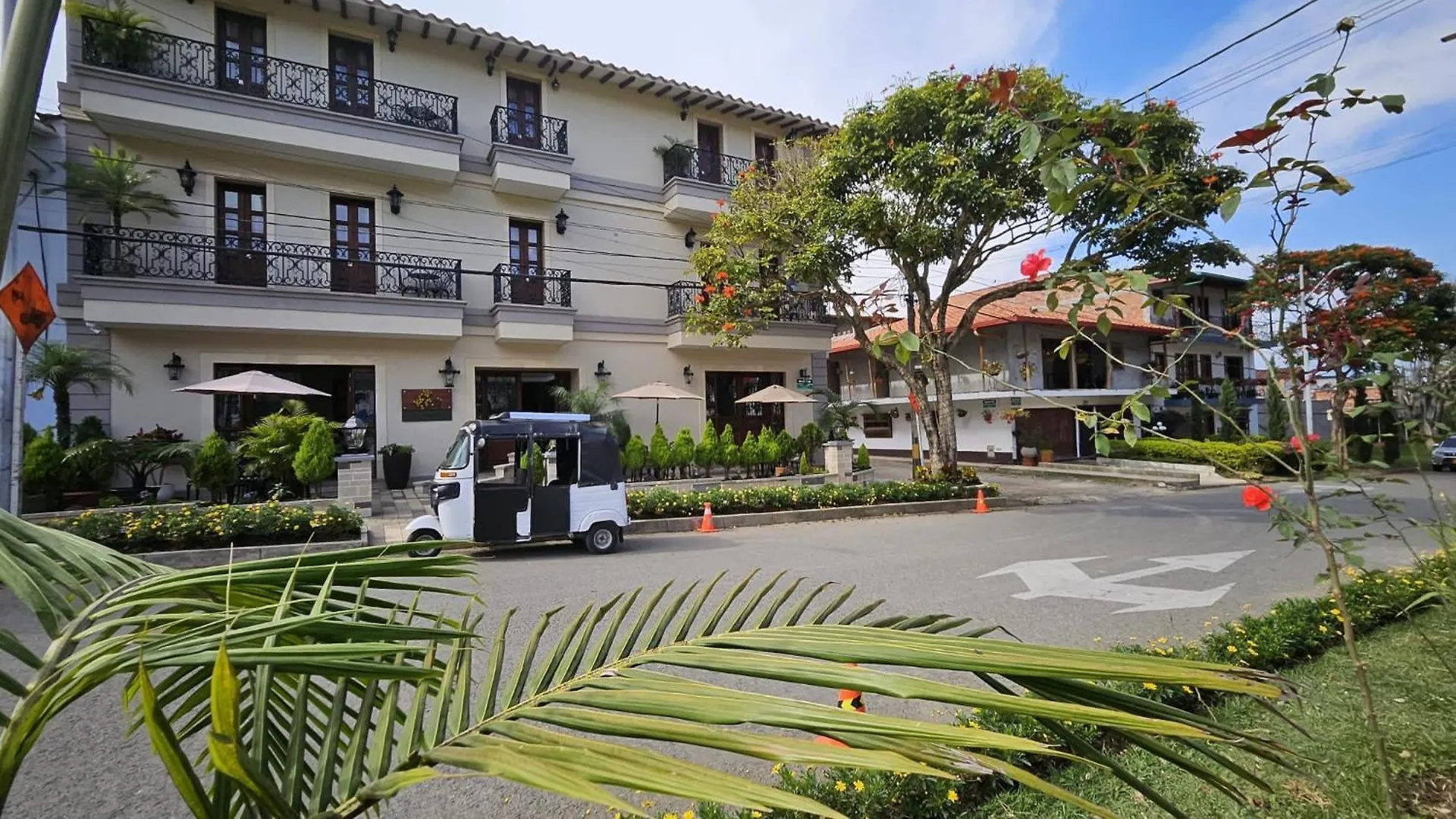
Jardin and Jericó are two of Antioquia's most intact colonial towns, both within driving distance of Medellín and offering a concentrated experience of coffee-region culture, architecture, and landscape. Hotels rated highly for location here typically sit within one or two blocks of the central plaza - the functional and social heart of each town.
-
1. Wr Boutique Hotel
Show on map


 Check-infrom 15:00 until 20:00Check-outfrom 11:00 until 12:00
Just a few rooms left at the best rate!
fromCOP 354938
-
2. Casa Santamaria Hotel Campestre
Show on map


 Check-infrom 15:00 until 23:59Check-outuntil 12:00
Just a few rooms left at the best rate!
fromCOP 222222
Hotels in Boyacá - Colonial Highlands and National Park Access
Boyacá is Colombia's most historically layered department, combining colonial towns, pre-Columbian sites, and high-altitude national parks within a compact geographic area. Hotels rated well for location here function as multi-day bases for exploring the entire circuit rather than single-destination stays.
-
3. Gll Hotel
Show on map


 Check-infrom 12:00 until 20:00Check-outuntil 10:00
Hurry – almost gone at this price!
fromCOP 126543
-
4. Hotel Aristo Gold
Show on map


 Check-infrom 15:00 until 23:30Check-outuntil 13:00
Hurry – almost gone at this price!
fromCOP 111111
Hotels on the Caribbean Coast
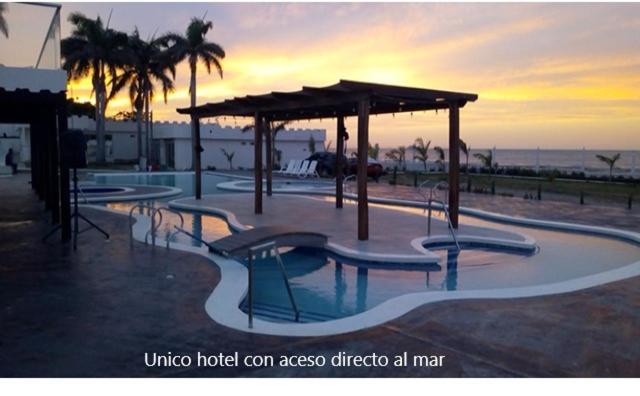
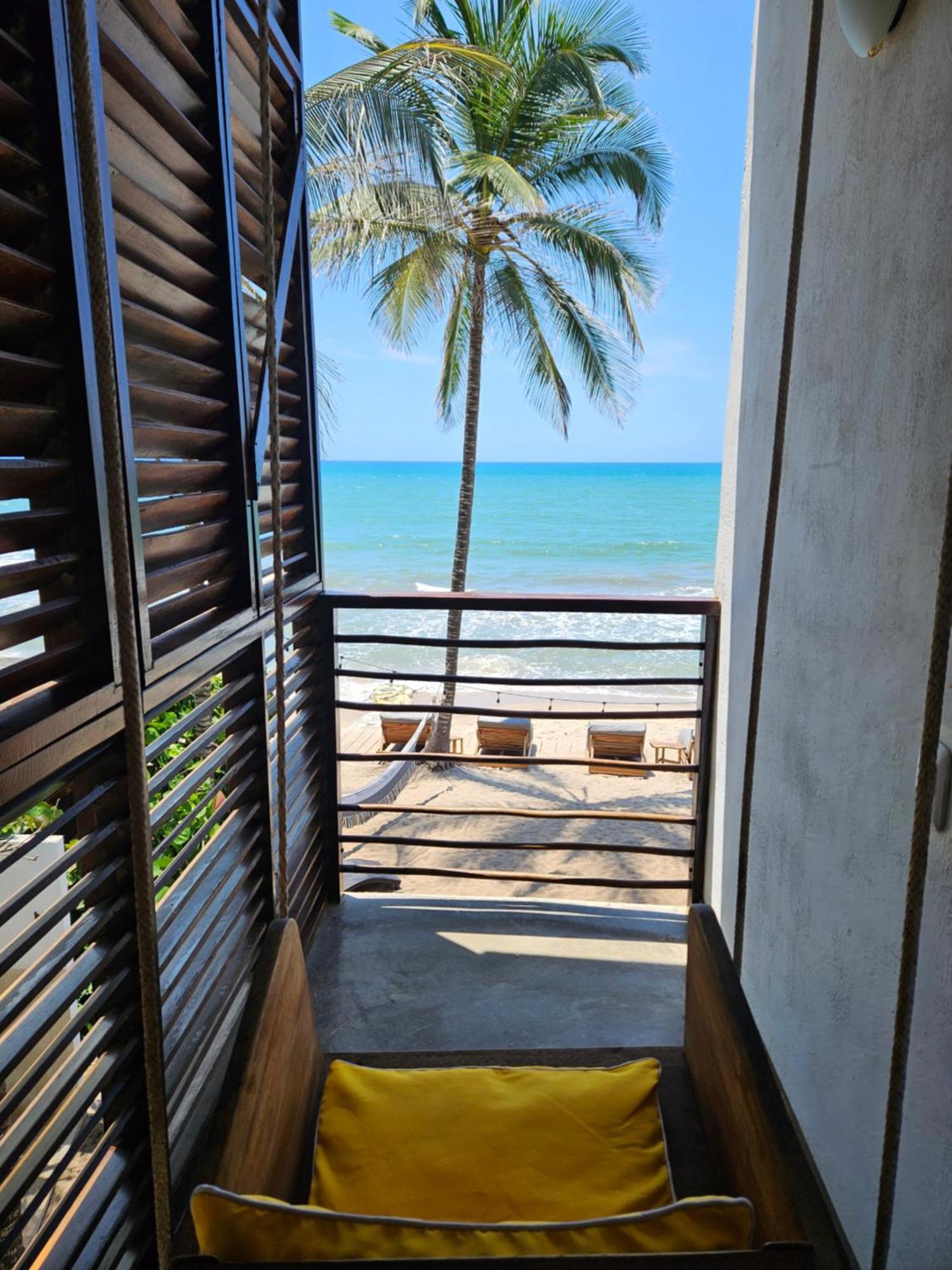
The Santa Marta coast - specifically the El Rodadero and Puerto de Gaira corridor - is Colombia's most accessible beach destination, combining Caribbean water temperatures with proximity to Tayrona National Park and the Sierra Nevada de Santa Marta. Location-rated properties here are measured primarily by beach proximity and transport access.
-
5. Ambar Roca Suites By Huespedia
Show on map


 Check-infrom 15:00 until 18:00Check-outfrom 08:00 until 11:00
Rooms filling fast – secure the best rate!
fromCOP 246914
Hotels in the Eastern Llanos - Villavicencio
Villavicencio serves as the main urban gateway to Colombia's eastern plains (Los Llanos) and the Amazon basin access routes. Hotels here cater primarily to travelers using the city as a transit or base point for wildlife-focused or adventure-oriented itineraries east of the Andes.
-
6. Hotel La Garza Roja
Show on map


 Check-infrom 12:00 until 13:00Check-outfrom 13:00 until 14:00
Rooms filling fast – secure the best rate!
Smart Travel and Timing Advice for Colombia
Colombia's climate doesn't follow a single pattern - it varies dramatically by region, and understanding this is critical for booking decisions. The Caribbean coast (Santa Marta, Cartagena) has its driest and most reliable weather from December through April, which also coincides with peak pricing and near-full occupancy in coastal hotels. Tayrona National Park temporarily closes each February for ecological recovery, a detail that affects itinerary planning for travelers combining a Santa Marta coast stay with park access. In the Andean regions - Boyacá, Antioquia coffee towns - the dry seasons run roughly December to February and July to August, with Semana Santa being the single highest-demand week across the entire country when both domestic and international travelers compete for the same inventory. For El Cocuy National Park, access is limited and permits are required; the clearest trekking conditions occur between December and March. Booking 6 weeks ahead is the practical minimum for December travel in popular destinations like Jardin, Jericó, or El Rodadero. Midweek stays in Boyacá towns and coffee region villages consistently run lower than weekend rates, as these destinations attract significant Medellín and Bogotá weekend traffic. A minimum of 2 nights is recommended for any of the smaller towns - Jardin, Jericó, El Cocuy - to justify travel time and fully experience the morning atmosphere that defines these places.