
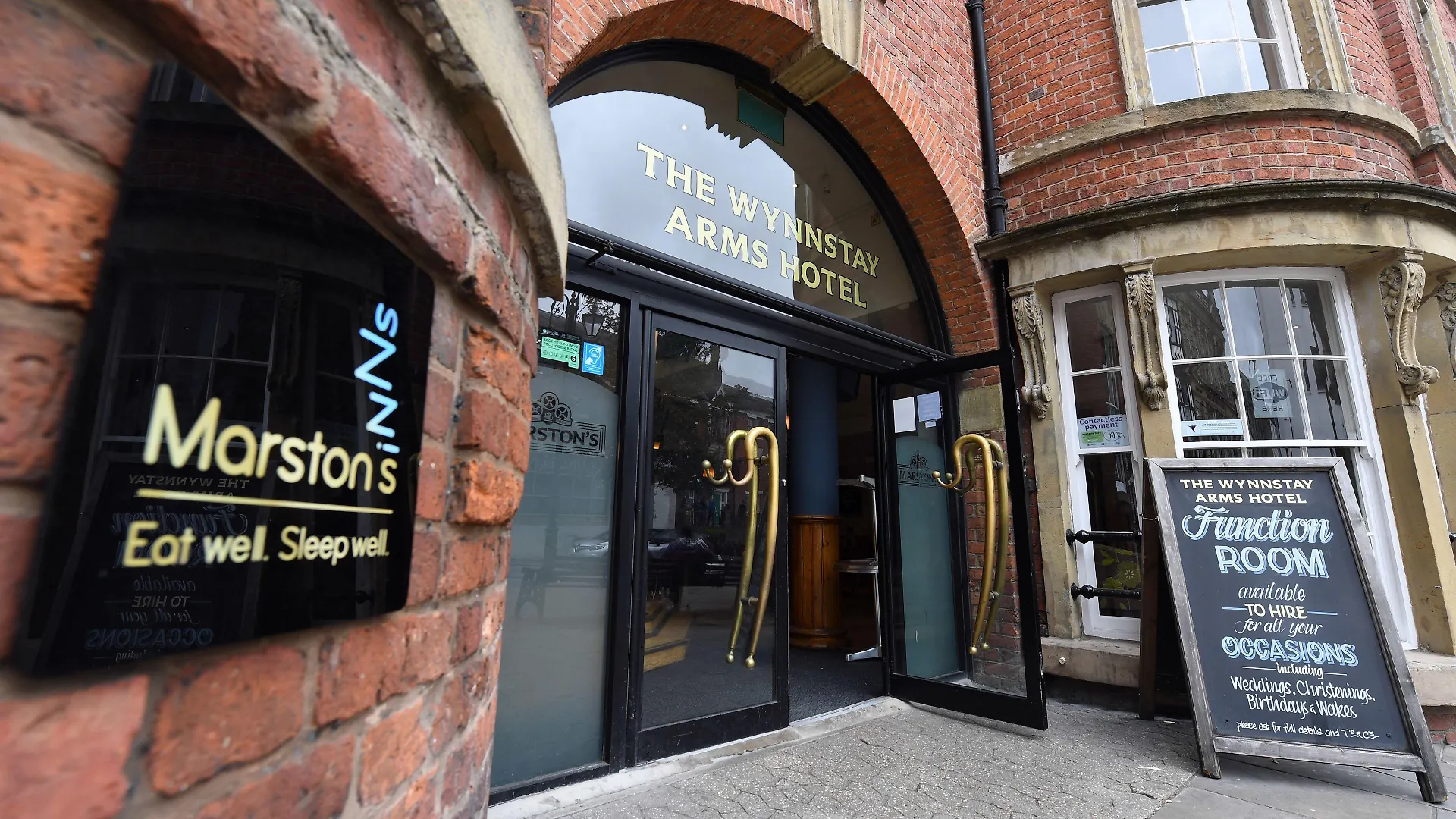
Wales packs an extraordinary range of landscapes into a compact country - from the slate peaks of Snowdonia to the dolphin-frequented waters of Cardigan Bay and the Georgian market towns of the Brecon Beacons. Marston's Inns properties across Wales tap directly into this variety, placing travellers in characterful, historically rooted buildings with reliable pub-style food, free parking and en suite rooms - a combination that suits the road-based pace most Wales visitors adopt. Whether you're crossing into North Wales from Chester or working your way down the Pembrokeshire coast, this guide covers every Marston's-affiliated hotel worth booking in Wales.
What It's Like Staying in Wales
Wales is overwhelmingly a self-drive destination - public transport connects the major towns, but most coastal headlands, mountain valleys and rural market towns require a car. Free parking is therefore one of the most practical features any Wales hotel can offer, and it's standard across the properties in this guide. Visitor footfall concentrates heavily in summer, particularly in Snowdonia, Pembrokeshire and the Brecon Beacons, where accommodation books out weeks ahead; outside July and August the same areas offer dramatically quieter roads and around 40% lower nightly rates.
Pros:
- Exceptional scenic variety within short driving distances - coast, mountains and market towns often within an hour of each other
- Historic inns and pub-hotels provide authentic Welsh atmosphere that branded city-centre hotels rarely replicate
- Free parking is widely available, cutting the hidden costs common in English city stays
Cons:
- Rural connectivity means some areas have unreliable mobile data and limited late-night dining options beyond the hotel itself
- Peak-season traffic on the A55 and A470 corridors can add significant time to journeys between regions
- Some smaller towns have limited evening entertainment beyond the pub, which suits some travellers but not all
Why Choose Marston's Inns Hotels in Wales
Marston's Inns occupy a reliable mid-market position in Wales - typically priced below boutique rural guesthouses yet offering more consistent food and facilities than independent B&Bs. The brand's Welsh properties sit inside genuine heritage buildings, meaning period architecture and real-ale bars rather than corporate lobbies. En suite rooms with free Wi-Fi and on-site restaurants make these hotels genuinely self-contained, which matters in areas where the nearest alternative restaurant may be several miles away. Expect nightly rates that sit around 20% below comparable four-star rural hotels in the same catchment areas.
Pros:
- On-site restaurant and bar in every property removes dependency on local dining infrastructure, critical in rural Wales
- Consistent en suite standards and free parking across all locations reduce trip-planning uncertainty
- Heritage buildings in town-centre or waterfront positions give access to local atmosphere without boutique price premiums
Cons:
- Room sizes in 18th-century buildings can be compact, particularly in upper-floor or converted attic rooms
- Pub-style menus, while reliable, offer less culinary ambition than dedicated restaurant hotels at higher price points
- Proximity to active bar areas means some rooms may experience noise on Friday and Saturday evenings
Practical Booking & Area Strategy
Wales divides naturally into three travel zones, and choosing the right base matters. North Wales - anchored by Wrexham, Llandudno and the Snowdonia gateway towns - suits travellers arriving from the English Midlands or Liverpool, with Wrexham Central Station connecting to Chester in under 30 minutes by train. Mid Wales, covering the Ceredigion coast and Aberdovey, rewards slower itineraries: the Cambrian Coast railway line is one of Britain's most scenic, and towns like New Quay and Aberdovey have very limited accommodation stock, making early booking essential in June through August. West Wales - Pembrokeshire, Carmarthen and the A477 corridor - is the ferry route for Ireland crossings via Fishguard and Pembroke Dock, meaning midweek stopovers here fill quickly around sailing schedules. Brecon, in South Wales, sits 45 minutes from Cardiff but feels entirely rural, placing it squarely in walking and cycling territory; the Brecon Beacons National Park trails begin within walking distance of the town centre.
Popular Welsh attractions worth planning around include Caernarfon Castle, the Snowdon Mountain Railway, Pembrokeshire Coast Path, Zip World in Bethesda, and the market town circuits of the Wye Valley. In Ceredigion, dolphin-watching boat trips from New Quay operate most reliably between May and September. Book waterfront and coastal properties at least 6 weeks ahead for summer travel.
Best Value Stays
These properties offer strong logistical positioning - town-centre or road-corridor locations with on-site dining and free parking - at rates that make multi-night Wales itineraries genuinely affordable.
-
1. Wynnstay Arms, Wrexham By Marston'S Inns
Show on map


 Check-infrom 14:00 until 23:00Check-outuntil 11:00
Just a few rooms left at the best rate!
from£ 48
-
2. Savoy Country Inn
Show on map


 Check-infrom 14:00 until 22:00Check-outfrom 10:00 until 11:00
Just a few rooms left at the best rate!
from£ 47
-
3. Starling Cloud
Show on map


 Check-infrom 14:00 until 23:00Check-outuntil 11:00
Hurry – almost gone at this price!
from£ 61
Best Premium Stays
These three properties earn their premium positioning through standout natural settings - waterfront, estuary and historic town square locations - combined with above-average food credentials that make the hotel itself a destination rather than just a base.
-
4. Hotel Penwig
Show on map


 Check-infrom 14:00 until 23:00Check-outuntil 11:00
Hurry – almost gone at this price!
from£ 90
-
5. Penhelig Arms
Show on map


 Check-infrom 14:00 until 23:00Check-outuntil 11:00
Rooms filling fast – secure the best rate!
from£ 92
-
6. The Wellington
Show on map


 Check-infrom 14:00 until 22:00Check-outuntil 11:00
Rooms filling fast – secure the best rate!
from£ 53
Smart Travel & Timing Advice for Wales
The clearest seasonal divide in Wales falls between the school summer holidays - late July through August - and every other period. August fills coastal Pembrokeshire and Snowdonia gateway towns fastest, with waterfront properties like Penhelig Arms and Hotel Penwig reaching capacity weeks in advance; book those at least 8 weeks ahead if travelling in peak summer. September is arguably the best month for Wales overall - school groups have dispersed, the landscape retains summer colour, and nightly rates drop noticeably while most attractions remain fully open. October through March brings the quietest roads and the most atmospheric pub-hotel evenings, particularly at estuary and mountain properties with log fires; this period suits walkers and couples who prioritise space and calm over beach weather. For Wrexham and the Savoy Country Inn on the A477 corridor, last-minute bookings are more viable year-round given their transport-route rather than destination positioning - these hotels fill on a rolling basis rather than via seasonal spikes. A minimum of two nights is advisable at any single Wales base; the distances between key attractions reward slower, area-focused itineraries over rapid multi-town circuits.


