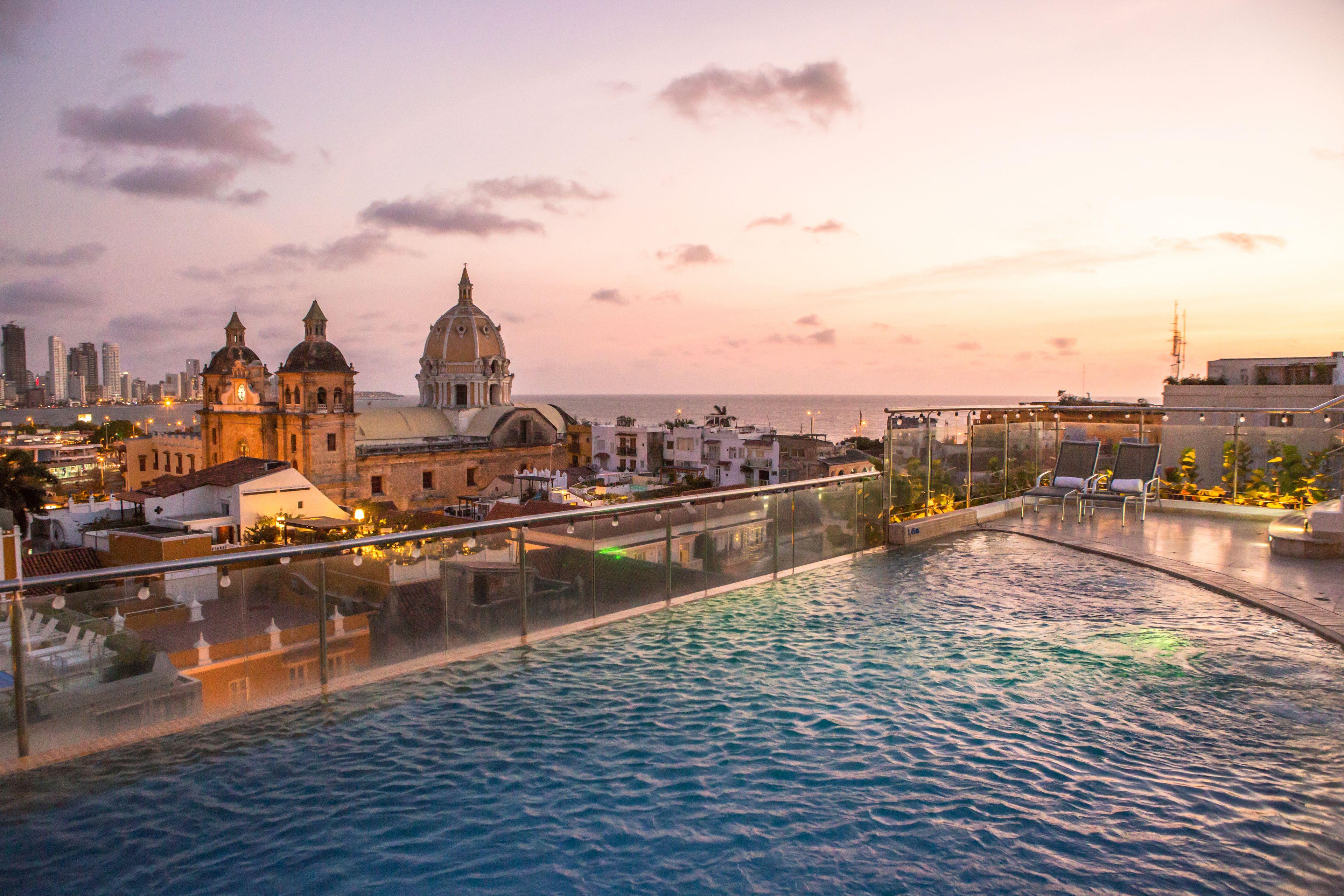
Cartagena's Centro - the walled colonial city - is one of the few urban historic districts in Latin America where you can sleep inside a UNESCO-listed city core. Staying here means cobblestone streets outside your door, colonial architecture as your backdrop, and the city's main landmarks within a short walk. But not every historical hotel in Centro delivers the same experience, and location within the walled city matters more than most booking sites suggest.
What It's Like Staying in Centro, Cartagena
Centro's walled city is compact - most landmarks, restaurants, and plazas sit within a walkable grid that most visitors can cross in around 20 minutes on foot. Street life peaks between 10am and 9pm, with horse-drawn carriages, vendors, and tour groups filling the main squares. By night, the atmosphere shifts toward rooftop bars and open-air dining, though some narrower streets feel noticeably quieter after 10pm.
Heat management is a real consideration: midday temperatures regularly exceed 32°C, making proximity to your hotel for an afternoon break genuinely useful. Transport in and out of the walled city runs via taxis and ride-hailing apps, but traffic congestion around the main gates - especially Puerta del Reloj - can add time to any trip toward Bocagrande or the airport.
Pros:
- Walking access to Plaza de la Aduana, San Pedro Claver Square, and the city walls without taxis or apps
- Colonial architecture and street atmosphere experienced directly from your accommodation, not as a day trip
- High concentration of restaurants, rooftop bars, and cultural sites within a single walkable zone
Cons:
- Street noise from music, carriages, and foot traffic can be significant, especially on weekends
- Rooms in converted colonial buildings sometimes sacrifice natural light or ventilation for architectural character
- Reaching Bocagrande beach or the airport from Centro takes around 20-30 minutes by road, even without heavy traffic
Why Choose a Historical Hotel in Centro Cartagena
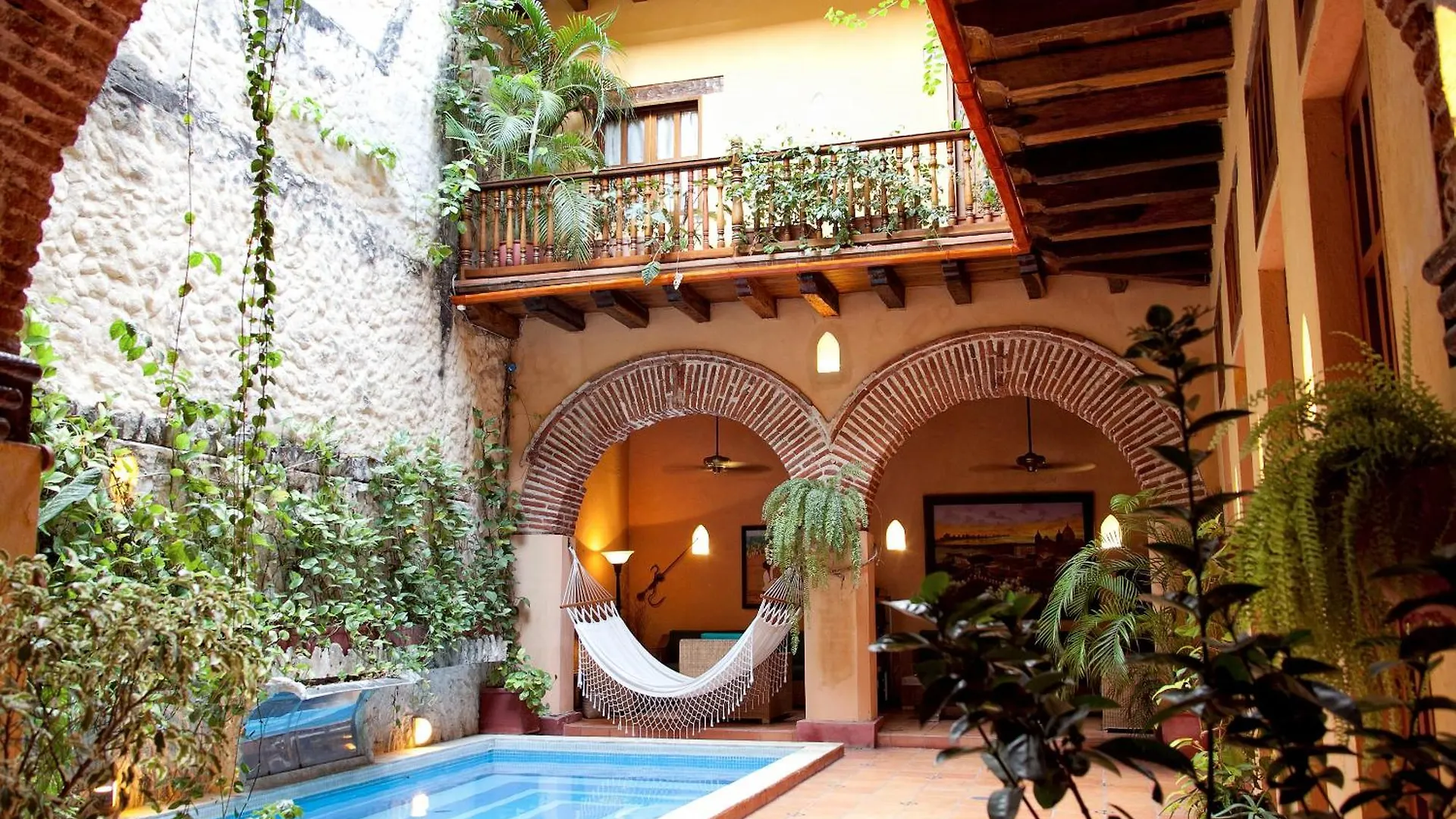
Historical hotels in Centro occupy genuine colonial or Republican-era buildings - arched doorways, interior courtyards, thick stone walls, and original architectural details that newer hotels in Bocagrande or Getsemaní simply cannot replicate. These properties typically run at a premium over standard hotels in the city, with nightly rates reflecting both their location inside the walls and the cost of maintaining heritage structures. Room sizes in converted colonial buildings tend to be smaller than modern equivalents at the same price point, but the trade-off is direct immersion in Cartagena's 16th and 17th-century urban fabric.
Noise insulation varies significantly depending on which street the property faces - hotels on quieter side streets within the walled city deliver a meaningfully different stay than those fronting major plazas. Around 60% of historical hotels in Centro feature rooftop or courtyard pools, which function as essential cooling spaces given the Caribbean climate rather than as luxury add-ons.
Pros:
- Authentic colonial or Republican building fabric - arches, beams, and courtyards that define Cartagena's architectural identity
- Rooftop pools with city or fortress views available at multiple properties in this category
- Immediate proximity to cultural landmarks eliminates transport costs and planning for most daytime activity
Cons:
- Converted colonial buildings rarely offer elevators, making upper-floor rooms inaccessible for guests with mobility limitations
- Room sizes are often compact relative to price, with less wardrobe and storage space than modern hotels
- Premium location pricing applies regardless of season, with limited discounting even during lower-demand periods
Practical Booking and Area Strategy for Centro
Within Centro's walled city, micro-location matters: hotels along Calle del Cuartel and Calle Santo Domingo sit closest to the most active plazas, while properties near Calle de la Mantilla or toward the San Diego neighborhood offer noticeably quieter nights. San Pedro Claver Square and Plaza de la Aduana are the two anchor points for orienting yourself - hotels within a block of either sit at the heart of walkable Cartagena. For the castle of San Felipe de Barajas, expect a walk of just over 1 km from the walled city center, manageable in the morning but taxing at midday heat.
Rafael Núñez International Airport sits around 6 km from Centro, reachable in 20 minutes outside peak traffic. Book at least 6 weeks ahead for stays during Cartagena's high season (December through March and Holy Week), when historical hotels inside the walls sell out first and rates increase sharply. The city walls themselves - walkable at sunset - are free to access and one of Centro's most underused assets for guests staying nearby.
Best Value Historical Hotels in Centro
These properties offer genuine colonial character and core amenities - pool, WiFi, breakfast - at accessible price points within the walled city, making them strong anchors for travelers prioritizing location and atmosphere over expanded services.
-
1. Casa India Catalina
Show on map


 Check-infrom 15:00 until 23:59Check-outuntil 12:00
Just a few rooms left at the best rate!
fromCOP 182099
-
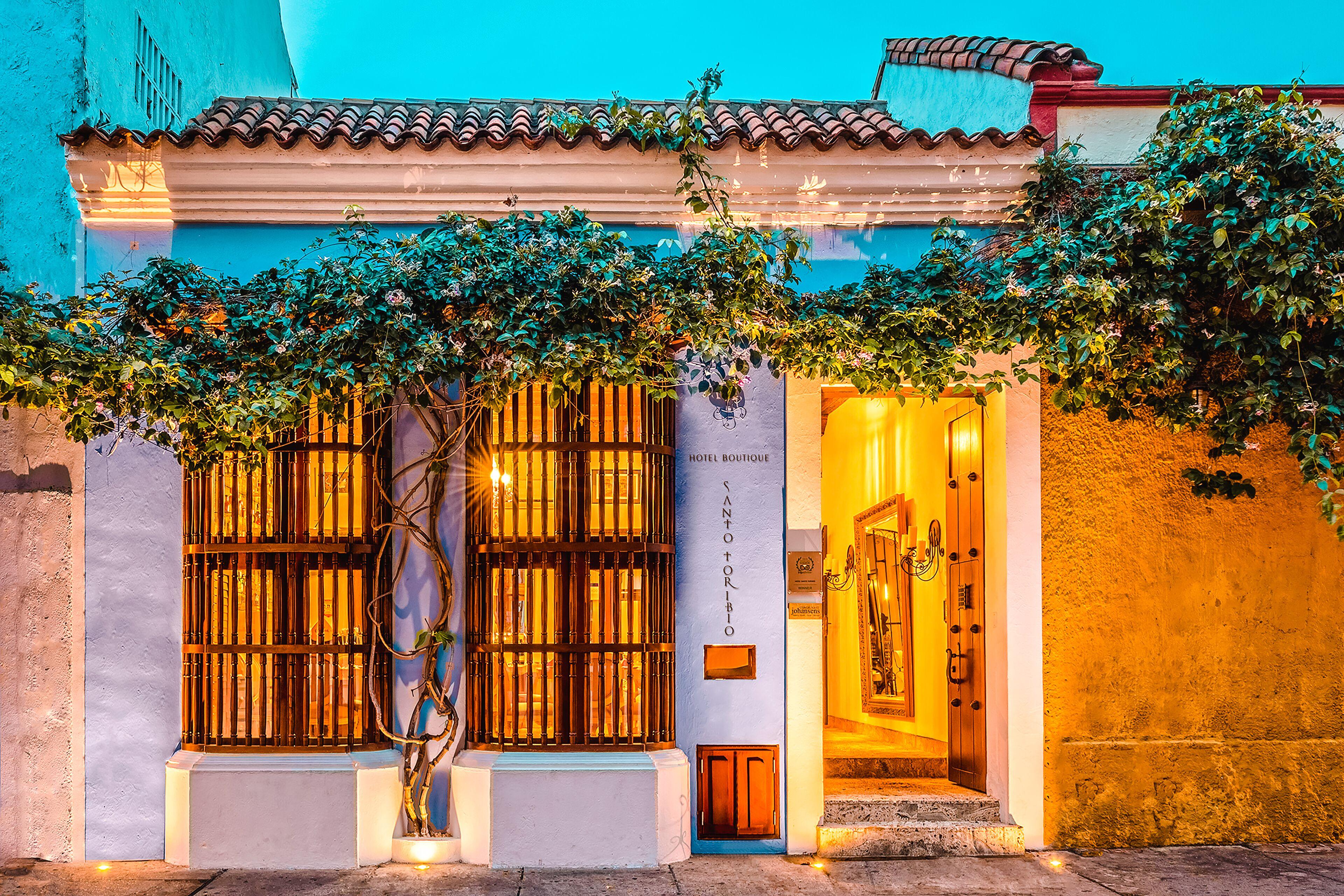
2. Hotel Boutique Santo Toribio
Show on map


 Check-infrom 15:00 until 23:59Check-outuntil 12:00
Just a few rooms left at the best rate!
fromCOP 324074
Best Premium Historical Hotels in Centro
These properties add layered services - rooftop pools with panoramic views, full restaurants, fitness facilities, and elevated dining - to the colonial setting, suited to travelers who want the walled city experience without compromising on amenities.
-
3. Movich Hotel Cartagena De Indias
Show on map


 Check-infrom 15:00 until 23:59Check-outuntil 12:00
Hurry – almost gone at this price!
fromCOP 669753
-
4. Amarla Boutique Hotel Cartagena
Show on map


 Check-infrom 15:00 until 22:00Check-outfrom 07:00 until 12:00
Hurry – almost gone at this price!
fromCOP 641975
-
5. Nh Royal Urban Cartagena
Show on map


 Check-infrom 15:00 until 23:59Check-outuntil 12:00
Rooms filling fast – secure the best rate!
fromCOP 358025
Smart Travel and Timing Advice for Centro Cartagena
Cartagena's high season runs from December through March, coinciding with the dry season and the highest concentration of international visitors to the walled city. During this window, historical hotels in Centro book out weeks in advance, and nightly rates climb sharply - often reaching their annual peak around Christmas, New Year, and Holy Week. Travelers with flexible dates who can visit in May, June, or November will find meaningfully lower rates and thinner crowds in the main plazas, though humidity increases noticeably in the rainy months of September and October.
Most visitors find that 3 nights inside the walled city covers the primary landmarks - the city walls at sunset, San Felipe de Barajas Castle, the Palace of the Inquisition, and the main squares - without the stay feeling rushed. Booking at least 8 weeks ahead is advisable for December and Holy Week stays in any of the historical hotels listed here. Last-minute availability in Centro during peak periods is rare, and when rooms do appear, they tend to be the least desirable units in the building.